
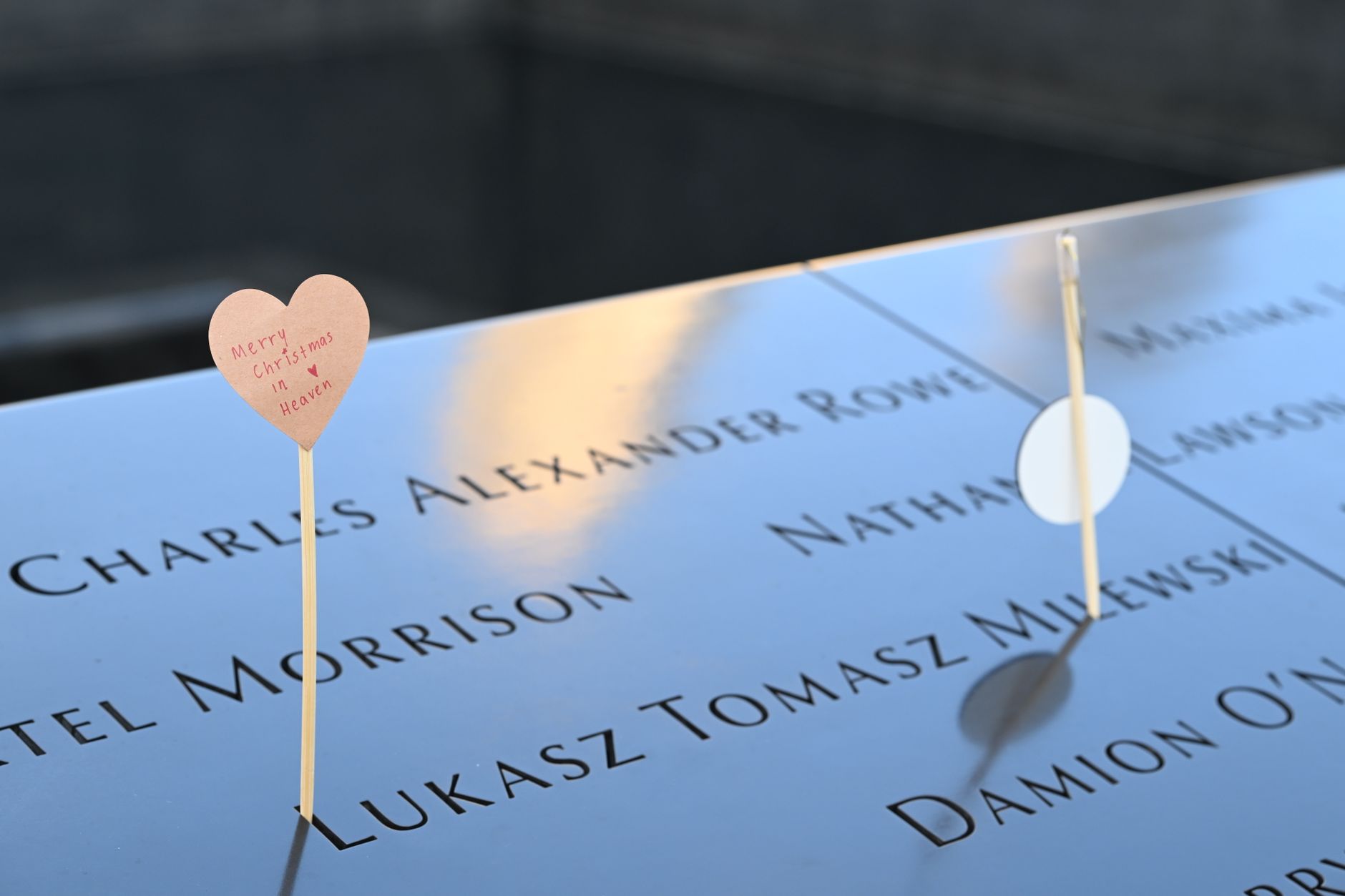
9/11 overshadowing events remains a significant issue for many Americans. A recent poll indicates that this tragic event continues to influence perceptions of other major occurrences over the past 25 years.
Understanding the Poll Results
A recent poll has revealed significant insights into how the events of September 11, 2001, continue to overshadow other major events in the past 25 years for many Americans. The survey highlights the profound impact 9/11 has had on the collective memory and national psyche.
According to the results, a substantial percentage of respondents indicated that they believe the aftermath of 9/11 has influenced their views on various societal issues, including security, foreign policy, and civil liberties. The poll shows that:
- 65% of participants feel that the events of 9/11 have a lasting effect on American society.
- 72% believe that the focus on 9/11 overshadows other significant historical events, such as the global financial crisis and climate change.
- 58% state that they remember where they were when the attacks occurred, demonstrating the event’s emotional resonance.
This overwhelming sentiment suggests that the legacy of 9/11 remains a dominant narrative, impacting how Americans perceive and prioritize other important events. As time progresses, the question remains: will 9/11 continue to overshadow events that shape the nation’s future?
How 9/11 Changed American Views
The events of September 11, 2001, have significantly altered American perceptions of both domestic and international affairs. For many, the 9/11 overshadowing events phenomenon has shaped how subsequent occurrences are viewed. A recent poll highlights that a large segment of the population believes that the impact of 9/11 is so profound that it eclipses other major historical moments in the last quarter-century.
In the aftermath of the attacks, national security became a priority, leading to widespread changes in policies and public sentiments. Many individuals associate subsequent events, such as natural disasters or political upheavals, through the lens of 9/11. The emotional weight of that day has created a lasting impression, often resulting in:
- Heightened anxiety regarding terrorism
- Increased support for military interventions
- Changes in civil liberties and privacy laws
This pervasive influence is indicative of how a single day can reshape collective memory and attitudes. As America continues to grapple with its legacy, the overshadowing of other significant events remains a topic of discussion and reflection.
Other Major Events in the Last 25 Years
Over the last 25 years, numerous significant events have shaped the landscape of America, yet many of these occurrences have been overshadowed by the lasting impact of 9/11. A recent poll indicates that a substantial number of Americans continue to prioritize the events of that fateful day above others.
Some of the major events that have also made headlines include:
- The 2008 Financial Crisis: This economic downturn affected millions and reshaped the global economy.
- The COVID-19 Pandemic: A health crisis that brought unprecedented challenges and changes to daily life.
- The 2016 Presidential Election: This election led to significant political polarization and debate over democracy.
- Natural Disasters: Events like Hurricane Katrina and the California wildfires have had devastating effects on communities.
- Social Movements: Movements such as Black Lives Matter and #MeToo have sparked vital conversations about equality and justice.
Despite these pivotal moments, the sentiment remains that 9/11 overshadowing events has left an indelible mark on the American psyche, often influencing how subsequent events are perceived and remembered.
The Impact of Memory on History
The impact of memory on history is profound, particularly when discussing significant events like 9/11. This catastrophic day not only altered the course of American policy but also shaped the collective consciousness of the nation. For many, the terrorist attacks serve as a benchmark against which all subsequent events are measured. As a result, the events of the past 25 years, regardless of their significance, often struggle to gain the attention they deserve.
A recent poll highlights how 9/11 continues to overshadow other major events for many Americans. This phenomenon can lead to a skewed perception of historical importance, where lesser-known but equally impactful occurrences fade into the background. The emotional weight of 9/11 creates a lens through which other events are viewed, often diminishing their relevance in the public discourse.
Some notable events that have been overshadowed include:
- The emergence of social media and its impact on communication
- The global climate crisis and significant environmental changes
- Major political movements advocating for social justice
Thus, the overshadowing events by 9/11 illustrate a complex relationship between memory and history, challenging how we prioritize and contextualize monumental moments in American life.
Public Perception of National Tragedies
The public perception of national tragedies has significantly evolved over the past two decades, particularly in the shadow of 9/11 overshadowing events that have also shaped American life. Many Americans view 9/11 as the defining moment of their generation, leading to a collective memory that often eclipses other significant occurrences.
A recent poll indicates that a substantial portion of the population believes that no other event in the last 25 years can compare to the impact of the September 11 attacks. This sentiment is evidenced by:
- Heightened Awareness: The events of 9/11 have instilled a sense of continuous vigilance regarding national security.
- Emotional Weight: The loss of lives and the subsequent wars have left an indelible mark on the national psyche.
- Media Focus: Coverage surrounding 9/11 tends to dominate narratives, often sidelining other crises.
As a result, many other significant tragedies and movements, such as natural disasters, social justice movements, or economic downturns, struggle to receive the attention they warrant. This ongoing overshadowing effect raises questions about how society remembers and learns from its collective history.
Comparing 9/11 to Other Historical Events
In examining the lasting effects of 9/11, it is essential to compare its impact to other significant historical events. Many Americans perceive 9/11 as a defining moment, often overshadowing other tragedies and milestones that have shaped the nation over the last quarter-century.
Several events have occurred since 9/11 that also hold profound significance, including:
- Hurricane Katrina (2005) – This devastating natural disaster resulted in significant loss of life and highlighted issues of social inequality and governmental response.
- The Great Recession (2007-2009) – The financial crisis led to widespread economic turmoil, affecting millions of families and altering perceptions of economic stability.
- The COVID-19 Pandemic (2020) – This global health crisis has claimed countless lives and transformed daily life, much like 9/11 did in its wake.
Despite these major events, many surveys indicate that 9/11 continues to dominate public consciousness. The notion of 9/11 overshadowing events reflects a broader narrative where the memory of that day remains a pivotal reference point in discussions about national identity and resilience.
Future Implications of These Findings
The findings from recent polls highlight a significant trend in American society: the 9/11 overshadowing events like Hurricane Katrina, the financial crisis, and the COVID-19 pandemic. As these results delve deeper, they suggest that the memory of September 11, 2001, continues to shape public perception and influence future responses to crises.
One implication of this phenomenon is the potential for skewed priorities in policy-making. With 9/11 lingering in the collective memory, resources may be disproportionately allocated to counterterrorism efforts over other pressing issues such as climate change or healthcare reform. This could lead to neglected areas that require urgent attention.
Moreover, the constant remembrance of 9/11 may hinder the societal ability to process and learn from other tragedies. As focus remains fixed on a single event, the lessons from more recent occurrences risk being overlooked, potentially resulting in repeated mistakes in crisis management.
In summary, as the ramifications of these findings become more apparent, it is crucial for leaders and communities to acknowledge the lasting impact of 9/11 while also embracing a broader understanding of national tragedies to ensure a more balanced historical narrative.
The 9/11 overshadowing events have profoundly shaped national security policies in the United States. Additionally, the economic repercussions of these 9/11 overshadowing events continue to influence American society today.
Photo by Victor Zhang on Pexels
Where this came from
Related reading
Sony DP7 DP5 Controllers: The Best Simple Solutions for Filmmakers · Integrated Photonics Technology: The Best Proven Advances · Xiaomi foldable phone: The Best Rival to iPhone



Leave a Reply