
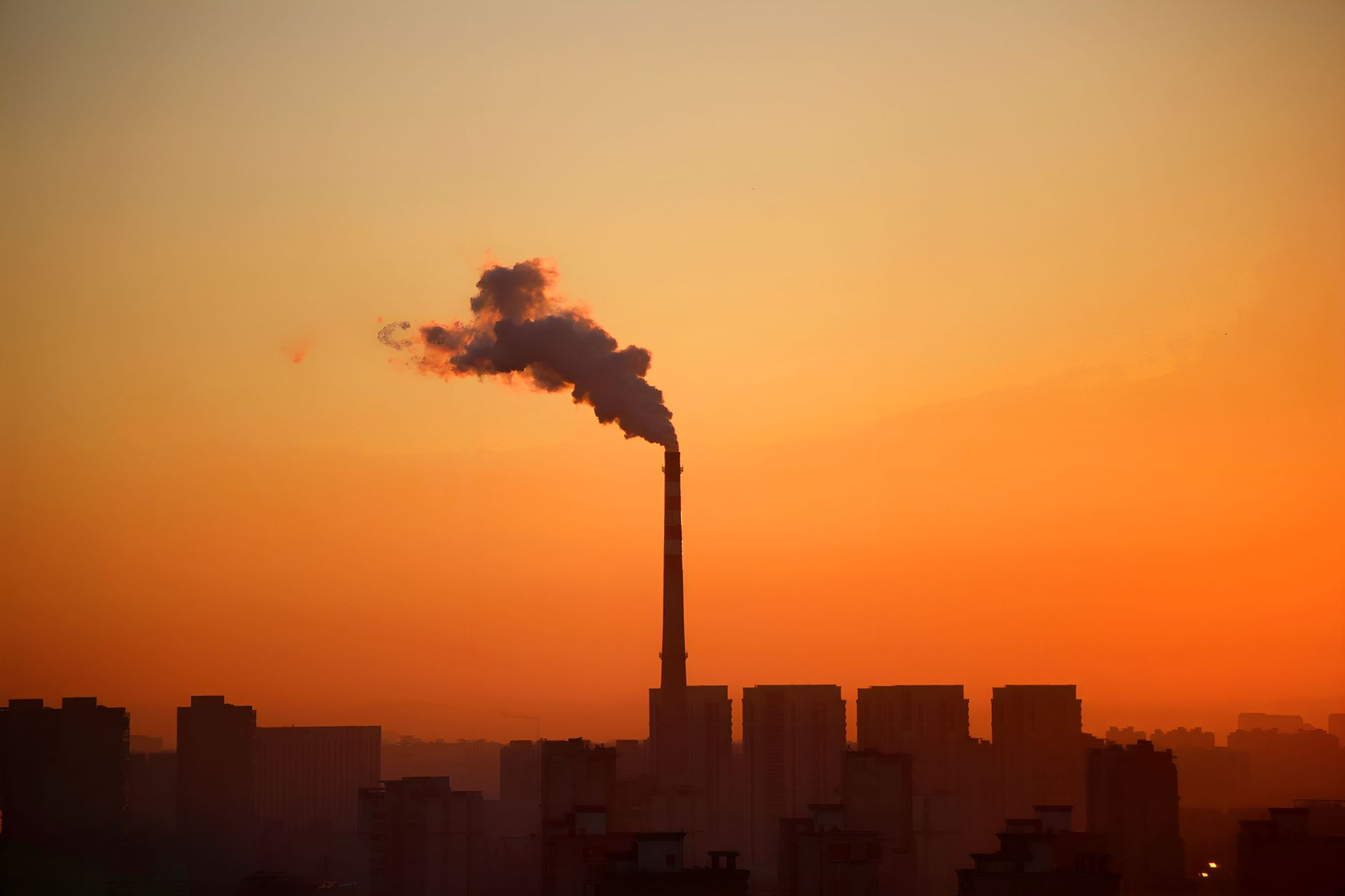
Polluted air exercise can pose serious health risks. It’s crucial to understand how to minimize the amount of polluted air you inhale while exercising outdoors.
Understanding Air Pollution
Understanding air pollution is crucial for maintaining health, especially for those who enjoy outdoor activities. When exercising in areas with high levels of pollution, individuals may inhale harmful particles that can lead to various health issues.
Air pollution can stem from multiple sources, including:
- Vehicle emissions
- Industrial waste
- Natural occurrences like wildfires
It is important to recognize that exercising in polluted air can exacerbate respiratory problems and reduce overall fitness performance. To stay safe while engaging in physical activity, consider the following:
- Check air quality: Use local air quality indices to determine pollution levels.
- Avoid peak times: Exercise during times when pollution levels are lower.
- Choose appropriate locations: Opt for parks or areas away from traffic.
By being mindful of these factors, one can reduce the risks associated with polluted air exercise.
Health Risks of Exercising Outdoors
Exercising outdoors can offer numerous benefits, but when the air is polluted, it can pose significant health risks. Engaging in a polluted air exercise routine may lead to adverse effects on the respiratory system, including inflammation and decreased lung function. Individuals with pre-existing conditions such as asthma or allergies may experience exacerbated symptoms.
Moreover, inhaling harmful pollutants during physical activity can increase the risk of cardiovascular issues. The body demands more oxygen while exercising, leading to deeper and more frequent breaths, which means more pollutants enter the lungs.
To minimize risks, consider the following:
- Check air quality indexes before heading outdoors.
- Exercise during times when pollution levels are lower, typically early mornings or late evenings.
- Opt for locations away from heavy traffic and industrial areas.
- Consider indoor alternatives when air quality is poor.
Best Times to Exercise
Determining the best times to exercise can significantly reduce your exposure to polluted air. Many cities experience higher levels of air pollution during specific times of the day, often due to traffic and industrial activities.
To stay safe while engaging in outdoor activities, consider the following tips:
- Early Mornings: Exercising in the early morning can be beneficial, as pollution levels are typically lower before rush hour begins.
- Evenings: Late evenings may also present cleaner air, especially after the sun sets and temperatures drop.
- Weather Conditions: Pay attention to weather reports; windy days can help disperse pollutants, while stagnant conditions may worsen air quality.
- Seasonal Variations: Pollution levels can vary by season, so it’s crucial to stay informed about local air quality indexes.
By choosing your exercise times wisely, you can reduce the impact of polluted air exercise on your health.
Indoor Exercise Alternatives
When outdoor air quality is poor, finding indoor exercise alternatives becomes essential for maintaining fitness without the risk of inhaling polluted air. Here are some effective options:
- Home Workouts: Utilize online platforms offering video workouts, such as yoga, strength training, or dance classes.
- Gym Sessions: Join a local gym where air filtration systems can help reduce exposure to pollutants.
- Indoor Sports: Engage in activities like swimming, basketball, or racquetball at indoor facilities, which provide a controlled environment.
- Virtual Classes: Participate in live-streamed fitness classes that can be done from the comfort of your home.
- Strength Training: Invest in weights or resistance bands to create a dedicated strength training space indoors.
By choosing these indoor exercise alternatives, you can effectively avoid the health risks associated with exercising in polluted air while staying active and healthy.
Tips for Reducing Inhalation
When exercising outdoors, especially in areas with polluted air, it is crucial to take steps to minimize inhalation of harmful particles. Here are some effective tips:
- Choose the right time: Opt for early morning or late evening when pollution levels are typically lower.
- Stay informed: Check local air quality indexes before heading out. Avoid exercising during high pollution alerts.
- Modify your route: Select paths away from heavy traffic and industrial areas to reduce exposure to pollutants.
- Use a mask: Consider wearing a mask designed to filter out particulate matter, especially on days with high pollution.
- Incorporate breaks: Take frequent breaks during your workout to allow your body to recover and minimize inhalation.
By following these tips, you can enjoy your exercise routine while reducing the risks associated with exercising in polluted air.
Monitoring Air Quality
Monitoring air quality is essential for those who want to engage in outdoor activities while being mindful of the risks associated with polluted air exercise. Numerous resources are available to help individuals track air pollution levels in their area.
- Air Quality Index (AQI): This numerical scale indicates the level of air pollution, with lower numbers signifying cleaner air. Check local weather reports or dedicated apps for real-time updates.
- Government Websites: Many government agencies offer online tools to monitor air quality, providing forecasts and health recommendations based on pollution levels.
- Mobile Applications: Several apps are designed to alert users about air quality in their vicinity, making it easier to plan outdoor activities accordingly.
- Local News: Stay informed through local news channels, which often report on air quality, especially during times of high pollution.
By utilizing these resources, individuals can make informed decisions about outdoor exercise and minimize health risks.
Using Air Purifiers
Using air purifiers can significantly enhance the air quality in your home, making it a safer space for exercise. These devices work by filtering out harmful pollutants and allergens, providing a healthier environment for indoor workouts.
When selecting an air purifier, consider the following features:
- HEPA Filters: Choose models equipped with High Efficiency Particulate Air (HEPA) filters, which can trap tiny particles effectively.
- CADR Ratings: Look for a high Clean Air Delivery Rate (CADR) to ensure the purifier works efficiently in your space.
- Size and Coverage: Ensure the purifier is suitable for the size of your room for optimal results.
- Noise Levels: Consider how quiet the purifier operates, especially if you plan to exercise during early mornings or late evenings.
Investing in a quality air purifier can make a substantial difference in managing your exposure to polluted air while exercising indoors.
Staying Informed on Pollution Levels
Staying informed on pollution levels is essential for anyone concerned about exercising outdoors in areas with polluted air. Knowing when the air quality is at its worst can help you plan your activities more effectively.
Here are some ways to keep track of pollution levels:
- Use Air Quality Apps: Many apps provide real-time updates on pollution levels in your area, allowing you to assess the air quality before heading out.
- Check Local News: Local news stations often report on air quality, especially during times of high pollution, such as wildfire season or smog alerts.
- Follow Environmental Agencies: Agencies like the EPA offer online resources and alerts for air quality in specific regions.
- Community Alerts: Consider subscribing to community alerts that notify you about local pollution levels and health advisories.
Being proactive can help you stay safe while still enjoying outdoor exercise.
When engaging in polluted air exercise, it’s crucial to monitor air quality levels to ensure your safety. Additionally, choosing the right time of day for your polluted air exercise can significantly reduce your exposure to harmful pollutants.
Photo by Andy Chi on Pexels



Leave a Reply