
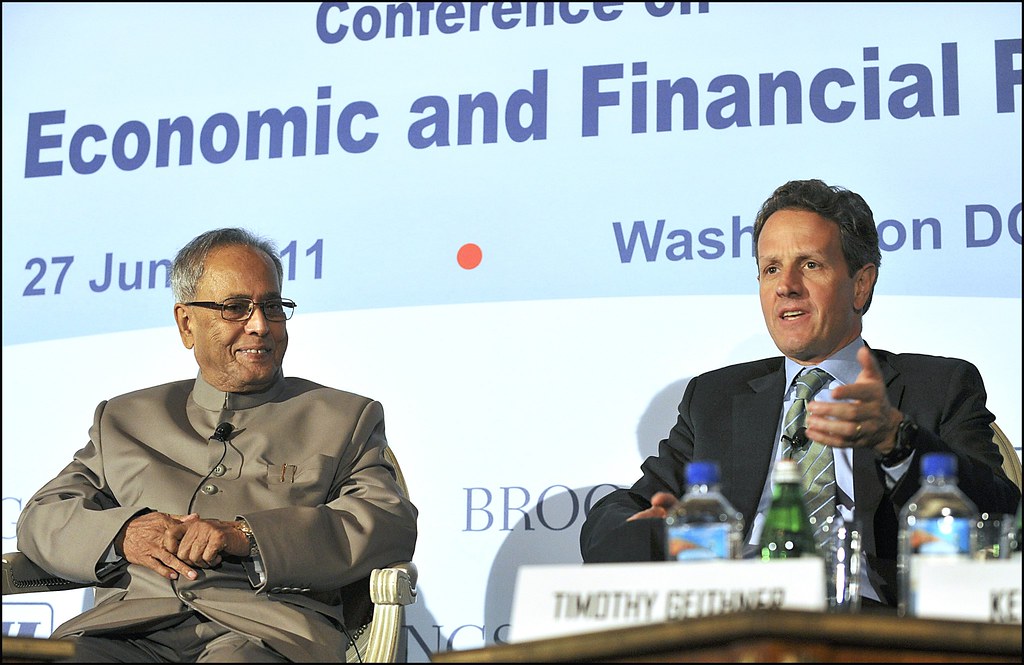
India bloc meet is underway, raising questions about the clarity of DMK’s stance on the CEC issue amid Rahul Gandhi’s presence.
Overview of the India bloc meet
The recent India bloc meet has garnered significant attention as political leaders convene to address critical issues, notably the Chief Election Commissioner (CEC) appointment. The gathering aims to unify the opposition in their stance against the ruling government. However, the stance of the Dravida Munnetra Kazhagam (DMK) party has left many observers puzzled.
During the meet, key figures, including Rahul Gandhi, arrived to discuss strategies and align on election-related matters. The presence of prominent leaders signifies the importance of this coalition, yet the ambiguity surrounding the DMK’s position has sparked debates among party supporters and analysts alike.
- Context of the Meeting: The India bloc meet seeks to solidify opposition unity before upcoming elections.
- Key Participants: Leaders from various political parties, including the DMK, are in attendance.
- Uncertainty in DMK’s Position: Despite being part of the alliance, DMK’s stance on certain issues remains unclear, causing confusion.
- Implications: The lack of a definitive position from the DMK could impact the overall effectiveness of the bloc.
As discussions unfold, it remains to be seen whether the DMK will clarify its stance, which could either bolster the coalition’s efforts or create further divisions. The outcome of the India bloc meet is crucial for the political landscape leading into the elections.
Key players in the CEC discussion
The recent India bloc meet has brought together several key political players to discuss the Chief Election Commissioner (CEC) issue, with significant implications for the upcoming elections. As the discussions unfold, the stance of the Dravida Munnetra Kazhagam (DMK) party seems to be a focal point of confusion, raising questions about their alignment within the bloc.
The major figures involved in the discussions include:
- Rahul Gandhi – The leader of the Indian National Congress, who has been vocal about ensuring a unified approach among the opposition parties.
- M.K. Stalin – The Chief Minister of Tamil Nadu and DMK leader, whose comments regarding the CEC have been interpreted in various ways.
- Sharad Pawar – The veteran politician from the Nationalist Congress Party, known for his negotiation skills and experience in coalition politics.
- Arvind Kejriwal – The Chief Minister of Delhi and leader of the Aam Aadmi Party, focused on the need for transparency in the electoral process.
As discussions progress at the India bloc meet, the differing perspectives on the CEC issue highlight the complexities within the coalition. Observers are keen to see whether the DMK will clarify its position or maintain its ambiguous stance, which could influence the bloc’s overall strategy going forward.
Rahul Gandhi’s role in the meeting
During the recent India bloc meet, Rahul Gandhi’s presence drew significant attention as discussions surrounding the Central Election Committee (CEC) unfolded. His role has been pivotal in unifying various factions within the opposition alliance, yet some observers have questioned the clarity of the DMK’s stance amidst these debates.
As Gandhi arrived at the venue, speculation arose regarding his influence on the DMK’s position, especially given their complex relationship within the alliance. Some party members expressed optimism that his leadership might provide much-needed direction, while others remained skeptical about whether his views would align with those of the DMK.
The meeting’s agenda focused on establishing a cohesive strategy to tackle upcoming elections, with Gandhi advocating for a collective approach. However, the absence of a definitive statement from DMK leaders regarding their strategies left many puzzled.
- Gandhi emphasized collaboration among opposition parties.
- Concerns about DMK’s commitment to the bloc’s objectives were voiced.
- Calls for a unified front against the ruling party were reiterated.
In conclusion, while Rahul Gandhi’s involvement in the India bloc meet was notable, the ambiguity surrounding the DMK’s position continues to raise questions about the effectiveness of this opposition alliance as they prepare for the electoral battle ahead.
DMK’s historical stance on CEC
The DMK, or Dravida Munnetra Kazhagam, has a longstanding history of navigating complex political landscapes in India. Known for its regional dominance in Tamil Nadu, the party has often influenced national politics, especially in coalition scenarios. The DMK’s approach towards the Central Election Committee (CEC) has been particularly nuanced, reflecting both its regional priorities and broader national aspirations.
Historically, the DMK has positioned itself as a champion of social justice and regional autonomy, often advocating for the interests of the Tamil people within the greater framework of Indian politics. Its stance on the CEC is emblematic of this dual focus. The party has previously supported alliances that align with its ideological principles while also being pragmatic enough to engage with differing viewpoints for electoral gain.
In the context of the current India bloc meet, the DMK’s position appears to be somewhat ambiguous. Some party leaders have expressed a desire for a more assertive role in the CEC, while others seem more cautious, potentially reflecting internal divisions or strategic calculations. This complexity adds to the uncertainty surrounding the DMK’s true intentions regarding the CEC and its role within the India bloc.
As discussions continue, many observers are left questioning whether the DMK’s stance will solidify into a clear position or remain a point of contention among coalition partners.
Impact of the meeting on Indian politics
The recent India bloc meet has sparked considerable debate regarding its implications for the future of Indian politics. As various political factions come together to discuss the Common Minimum Programme (CMP), the clarity of each party’s stance is increasingly scrutinized. The meeting aimed to consolidate opposition efforts against the ruling government, yet the Democratic Progressive Alliance, particularly the DMK, has left many questioning its commitment and clarity.
Several analysts argue that the DMK’s position during the meeting appears ambiguous, which could potentially weaken the coalition’s effectiveness. This ambiguity may lead to confusion among voters and impact the bloc’s ability to present a united front. The party’s historical reluctance to align itself too closely with other regional outfits raises concerns about the sustainability of the alliance.
Furthermore, the repercussions of the meeting extend beyond immediate electoral strategies. The dynamics within the India bloc meet could reshape the political landscape, influencing upcoming elections and policy formulations. Parties that fail to define their roles clearly risk losing voter confidence, while those that navigate this ambiguity strategically may emerge stronger.
As discussions continue, the expectations for a coherent opposition strategy remain high. The challenge now lies in transforming the outcomes of the meeting into actionable insights that resonate with the electorate.
Public reactions to the bloc’s decisions
Public reactions to the India bloc meet have been mixed, with many expressing confusion over the DMK’s stance on the crucial CEC issue. Observers and political analysts have taken to social media and news outlets to share their thoughts on the developments. Some have praised the bloc for its attempts to unify various parties, while others have pointed out the inconsistencies in the DMK’s position.
- Support for the bloc: A section of the public believes that the India bloc meet is a necessary step towards a more cohesive opposition, with one supporter stating, “The unity among parties is essential to challenge the current government.”
- Criticism of the DMK: Critics argue that the DMK’s unclear stance complicates the bloc’s efforts. A political commentator noted, “The DMK must clarify its position; ambiguity only serves to weaken the coalition.”
- Calls for transparency: Many citizens are demanding more transparency from the DMK regarding its decisions within the bloc. One concerned voter remarked, “We need to know how our leaders are representing us at these crucial meetings.”
As the discussions from the India bloc meet continue to unfold, the public remains keenly interested in understanding the ramifications of the DMK’s choices and how they will affect the overall unity of the opposition.
Future implications for the India bloc
The recent India bloc meet has raised questions about the future implications for the coalition, particularly concerning the DMK’s stance on the Chief Election Committee (CEC). As the political landscape in India continues to evolve, the clarity of the DMK’s position is becoming increasingly crucial for the bloc’s unity and effectiveness.
With the upcoming elections, the decisions made during the India bloc meet will likely influence voter sentiment and party alliances. The DMK’s historical reluctance to take a definitive stance on certain issues has left many political analysts speculating about its intentions. Some argue that a clear and united front is essential for the India bloc to challenge the ruling party effectively, while others believe that flexibility may allow for more strategic maneuvering as the elections approach.
Potential implications of the DMK’s ambiguous stance include:
- Electoral Strategy: The lack of clarity may hinder the coalition’s campaign efforts, as voters often seek decisive leadership.
- Party Dynamics: Internal disagreements within the DMK could weaken the bloc if not addressed promptly.
- Coalition Unity: Sustaining a cohesive alliance will require transparent communication and shared objectives among all members.
As the India bloc navigates these challenges, the political ramifications of such meetings will likely have lasting effects on the upcoming electoral battles.
Analysis of the CEC issue
The recent India bloc meet has sparked significant debate regarding the stance of the DMK on the crucial issue of the Chief Election Commissioner (CEC). While the meeting aimed to consolidate opposition strategies, the DMK’s position appears ambiguous, leaving many observers questioning their intentions.
Historically, the DMK has been vocal in its criticism of the ruling party’s influence over electoral processes. Yet, during this meeting, their representatives seemed hesitant to articulate a definitive stance, leading to speculation about internal disagreements or strategic reservations.
Several factors contribute to this unclear position:
- Coalition Dynamics: The DMK must navigate the complexities of coalition politics, balancing its own interests with those of the broader alliance.
- Electoral Considerations: With upcoming elections on the horizon, the DMK may be weighing the potential backlash of taking a strong public stance.
- Leadership Influence: Rahul Gandhi’s presence at the India bloc meet raises questions about his influence on coalition decisions and how it aligns with DMK’s priorities.
As discussions progress, the need for clarity in the DMK’s position becomes increasingly vital. An ambiguous approach could hinder the alliance’s effectiveness in addressing electoral integrity and may ultimately impact their collective strength in future elections.
By U.S. Embassy New Delhi via Openverse
Read the original
Asian Games 2026: Best Moments and Highlights You Can’t Miss · Anthropic IPO risk: Is it the worst shocker for investors? · Argentina Rules-Free Haven: Is It the Best Choice for A.I.?



Leave a Reply