
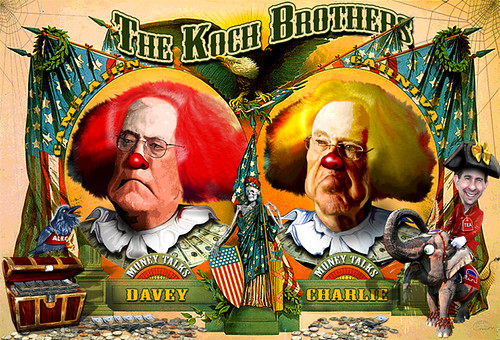
billionaires in Congress are making headlines as they pour in cash for the upcoming elections. This $12 billion battle features notable figures like Musk and Soros.
The Role of Billionaires in Politics
The involvement of billionaires in Congress has sparked significant debate about the influence of wealth on political processes. As the race for congressional seats heats up, a staggering amount of cash is being poured into campaigns by some of the richest individuals in the world.
Among the notable figures are Elon Musk, George Soros, and others who are leveraging their financial resources to shape the political landscape. This trend raises critical questions about the integrity of democracy and the extent to which money can impact election outcomes.
As billionaires in Congress continue to emerge as a powerful force, their contributions have the potential to overshadow the voices of average voters. Critics argue that this influx of cash leads to a political system that favors the interests of the wealthy over those of everyday citizens.
In this context, it is essential to recognize the implications of such financial dynamics:
- Increased polarization: Wealthy donors often support candidates who align with their own interests, leading to greater divisions in political ideologies.
- Policy influence: With substantial financial backing, these billionaires can sway legislative priorities and outcomes in favor of their agendas.
- Transparency issues: The anonymous nature of some donations complicates efforts to track influence and accountability in politics.
Key Players in the $12 Billion Battle
The ongoing struggle for control of the U.S. Congress has seen an unprecedented influx of cash, with billionaires leading the charge. Among the key players in this $12 billion battle are several high-profile figures who have made significant financial contributions to their preferred candidates and causes.
- Elon Musk: Known for his ventures in technology and space exploration, Musk has recently directed substantial resources towards candidates who align with his vision for a more innovative America.
- George Soros: A veteran political donor, Soros continues to shape the landscape with his investments in progressive movements, aiming to promote social justice and democratic reforms.
- Jeff Bezos: The Amazon founder has made headlines with his philanthropic efforts, but his influence in political funding is also noteworthy as he backs candidates supporting economic growth and innovation.
- Mark Zuckerberg: Through his charitable organization, Zuckerberg has contributed millions to campaigns focusing on electoral reform and technology-related initiatives.
- Warren Buffett: The Oracle of Omaha has historically supported candidates who advocate for fiscal responsibility and ethical governance, aiming to steer Congress towards more pragmatic policies.
These billionaires in Congress not only influence elections but also shape the future of policy-making in the United States, making their financial battles crucial to the political landscape.
Impact of Wealth on Elections
The presence of billionaires in Congress has significantly altered the dynamics of electoral campaigns, creating an environment where wealth plays an unprecedented role in determining political outcomes. As seen in recent elections, the infusion of vast sums of money can amplify the voices of certain candidates while drowning out others, raising concerns about the democratic process.
One key impact of this wealth is the ability to shape public discourse. Billionaires often fund extensive advertising campaigns that allow them to promote specific narratives aligned with their interests. This can lead to a distortion of important issues, as candidates may prioritize the preferences of wealthy donors over the needs of their constituents.
Furthermore, the concentration of wealth among a small group of individuals raises questions about accountability and representation. When billionaires in Congress exert influence, there is a risk that their perspectives will overshadow the diverse viewpoints of the general population. This can create a disconnect between elected officials and the electorate, undermining the foundation of a representative democracy.
As the battle for control of Congress reaches new heights, it is crucial for voters to remain vigilant and informed about the role of money in politics. The ongoing influence of billionaires in Congress may very well define the future of policymaking in the United States.
Future of Campaign Finance
The future of campaign finance in the United States appears increasingly intertwined with the presence of billionaires in Congress. As we witness a dramatic escalation in fundraising efforts, the implications of this financial influence are profound and far-reaching.
Many experts predict that the trend of billionaires funding political campaigns will only intensify in the coming years. With the recent $12 billion battle for control of Congress, high-profile figures such as Elon Musk and George Soros have set a precedent that could encourage even more wealthy individuals to engage in the political arena.
As the lines between wealth and political power blur, concerns are growing about the potential consequences for democracy. Critics argue that when billionaires dominate campaign finance, the voices of everyday citizens risk being drowned out. This could lead to a system where policy decisions favor the interests of the few rather than the needs of the many.
Furthermore, the impact of digital fundraising platforms is reshaping how campaigns are financed. These tools enable billionaires to swiftly channel large sums of money into political efforts, creating an environment where financial clout translates directly into political influence.
As we look ahead, the ongoing debate surrounding campaign finance reform will be crucial in determining the balance between wealth and democratic representation.
The influence of billionaires in Congress has sparked intense debates about the integrity of the democratic process. As the worst cash battle unfolds, the role of billionaires in Congress becomes increasingly scrutinized by the public and media alike.
By DonkeyHotey via Openverse





Leave a Reply