
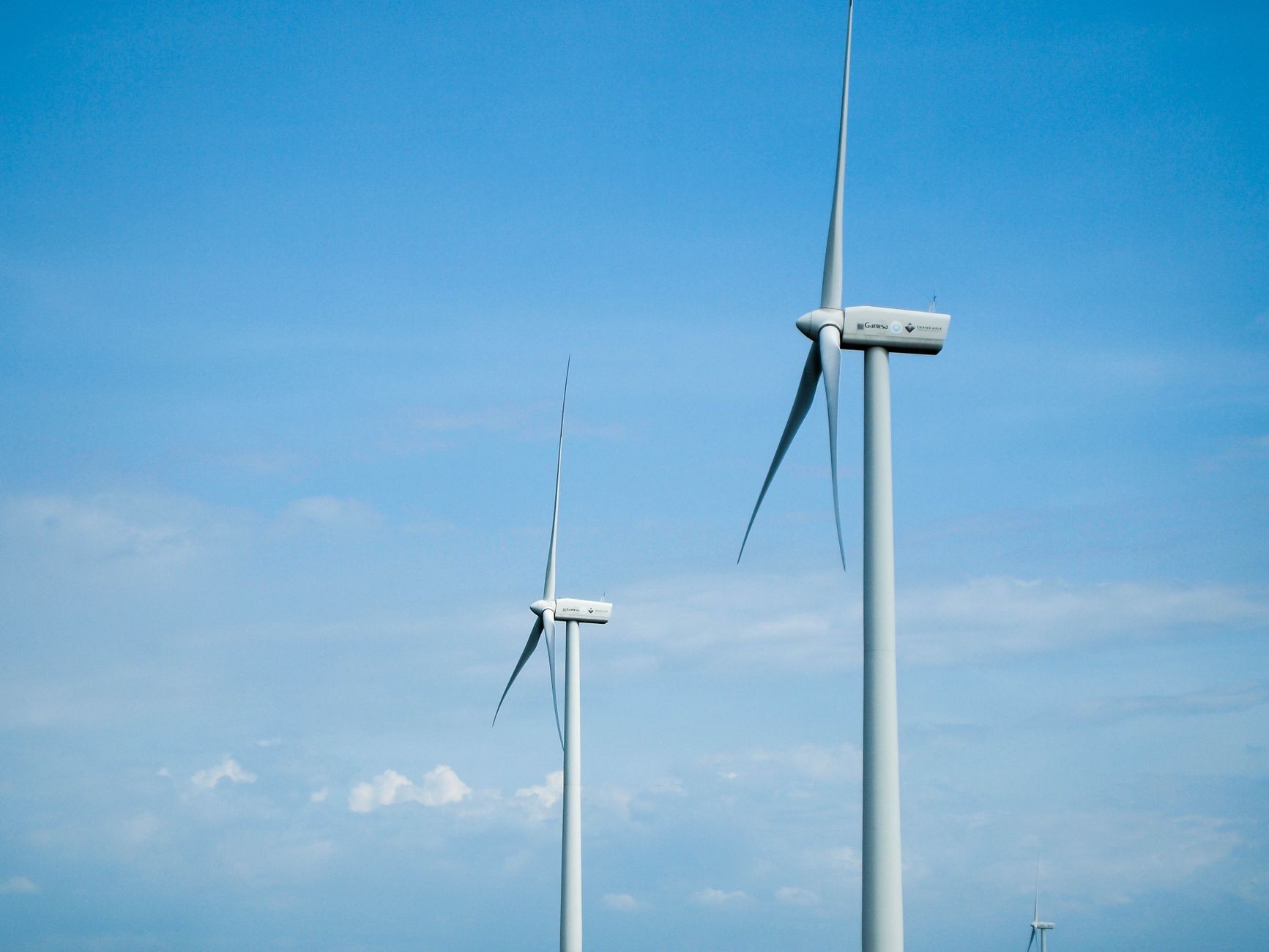
The ASEAN Power Grid offers Malaysia an opportunity to solidify its regional energy market position. This initiative could enhance energy cooperation and stability among member countries.
Overview of ASEAN Power Grid
The ASEAN Power Grid is an ambitious initiative aimed at enhancing energy cooperation among member countries in the Association of Southeast Asian Nations. This project seeks to establish a unified electricity transmission network that will facilitate the sharing of electricity across borders, promoting energy security and sustainability in the region.
With Malaysia being a key player in this initiative, the ASEAN Power Grid offers significant opportunities for the country to solidify its position in the regional energy market. The integration of electricity systems allows for:
- Enhanced energy security: By diversifying energy sources and reducing reliance on local supplies.
- Cost efficiency: By enabling the exchange of surplus energy during peak demand times.
- Environmental benefits: By promoting the use of renewable energy sources across member countries.
As Malaysia explores its role within the ASEAN Power Grid, it stands to gain not only economically but also in terms of regional collaboration and sustainability.
Benefits for Malaysia
The implementation of the ASEAN Power Grid presents numerous benefits for Malaysia, enhancing its position in the regional energy market. One significant advantage is the potential for increased energy security. By interconnecting with neighboring countries, Malaysia can diversify its energy sources and reduce reliance on domestic production.
Moreover, the ASEAN Power Grid is expected to foster economic growth by facilitating trade in electricity. This can lead to lower energy costs for consumers and businesses, ultimately boosting competitiveness in various sectors.
Additionally, the initiative promotes sustainability by encouraging the integration of renewable energy sources across the region. This shift towards greener energy can help Malaysia meet its environmental commitments while capitalizing on its natural resources.
Furthermore, the ASEAN Power Grid can enhance infrastructure development, attracting investments and creating job opportunities. Overall, the initiative aligns with Malaysia’s long-term goals of energy efficiency and sustainability, reinforcing its status as a key player in the regional energy landscape.
Challenges Ahead
As Malaysia considers its role in the ASEAN Power Grid, several challenges loom on the horizon. The successful integration of this regional energy initiative requires overcoming significant hurdles that could impede progress.
- Infrastructure Development: Upgrading existing energy infrastructure is crucial, yet daunting. Malaysia must invest heavily to ensure compatibility with neighboring countries’ grids.
- Regulatory Hurdles: Differing regulations across ASEAN nations present a complex landscape. Harmonizing these regulations will be essential for seamless energy trade.
- Investment Risks: Attracting foreign investment is vital for the ASEAN Power Grid’s success. However, potential investors may be wary due to political instability or fluctuating energy demands.
- Environmental Concerns: Any expansion of energy infrastructure must address ecological impacts, particularly in sensitive areas, to meet both local and regional sustainability goals.
In navigating these challenges, Malaysia has the opportunity to strengthen its position in the regional energy market, but careful planning and collaboration will be necessary.
Comparative Analysis with Other Regions
As Malaysia contemplates its role in the ASEAN Power Grid, a comparative analysis with other regions reveals both opportunities and challenges. Unlike the ASEAN framework, regions such as the European Union have successfully integrated cross-border electricity trading, benefiting from a more unified regulatory environment.
In contrast, the ASEAN Power Grid is still in its developmental stages. Some key factors differentiate the two:
- Regulatory Framework: The EU benefits from comprehensive regulations that streamline energy trading, while ASEAN nations work towards harmonizing policies.
- Infrastructure Investment: Regions like North America have heavily invested in grid modernization, whereas ASEAN countries face constraints in funding and technology.
- Market Integration: Europe’s integrated market allows for real-time energy trading, a feature that the ASEAN Power Grid is yet to fully realize.
Ultimately, while the ASEAN Power Grid presents a unique opportunity for Malaysia to strengthen its position in the regional energy market, it must learn from these established models to maximize its potential.
Future of Energy Cooperation
The future of energy cooperation in Southeast Asia appears promising, especially with the implementation of the ASEAN Power Grid. This initiative aims to enhance regional energy security and facilitate the efficient distribution of electricity across member nations. With Malaysia positioned as a key player, it stands to benefit significantly from increased interconnectivity and collaborative projects.
As countries in the region strive to meet their growing energy demands, the ASEAN Power Grid presents an opportunity for Malaysia to leverage its existing infrastructure and expertise. By integrating renewable energy sources, Malaysia can contribute to a more sustainable energy landscape while also attracting investments.
However, successful cooperation will depend on overcoming existing challenges, including regulatory frameworks and technical standards. The willingness of member states to work together and share resources will ultimately determine the effectiveness of this ambitious project.
In summary, the ASEAN Power Grid not only promises to enhance Malaysia’s position in the regional energy market but also holds the potential to foster a collaborative environment for energy innovation in the entire Southeast Asian region.
Government’s Role in Implementation
The role of the Malaysian government in the implementation of the ASEAN Power Grid is crucial for maximizing the potential benefits outlined in earlier sections. As the region moves towards a more integrated energy framework, the government must take proactive steps to align national policies with regional objectives.
Key responsibilities include:
- Regulatory Framework: Establishing a robust regulatory environment that encourages investment and innovation in energy infrastructure.
- Public-Private Partnerships: Fostering collaboration between government agencies and private sector stakeholders to enhance project financing and resource allocation.
- Regional Cooperation: Engaging actively in ASEAN meetings and initiatives to ensure that Malaysia’s interests are represented in the broader discussions about the ASEAN Power Grid.
- Infrastructure Development: Investing in necessary upgrades and expansions of the existing power grid to facilitate seamless energy trade with neighboring countries.
By taking these steps, the Malaysian government can solidify the country’s position within the regional energy market and effectively leverage the opportunities presented by the ASEAN Power Grid.
Photo by Angie Reyes on Pexels



Leave a Reply