
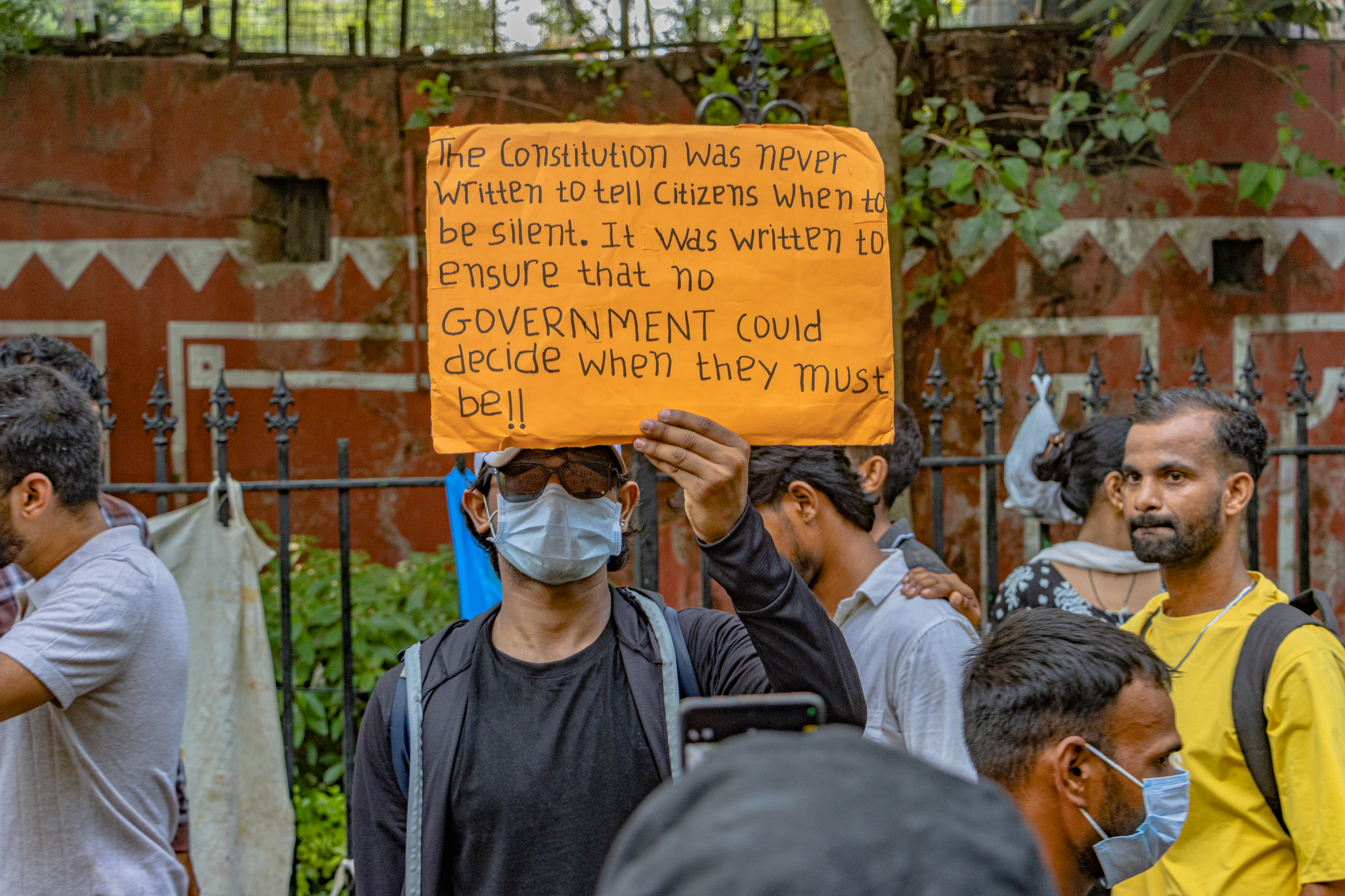
The Indian High Commission protest has sparked significant tensions outside the diplomatic mission in London. Rival groups clashed, highlighting ongoing issues between communities.
Overview of the Indian High Commission protest
The recent protest outside the Indian High Commission in London has drawn significant attention, highlighting the ongoing tensions between rival groups. The protest, which took place on a bustling afternoon, saw demonstrators from various backgrounds converging near the Commission’s premises. The atmosphere was charged with emotion as supporters of different causes voiced their opinions.
Participants in the Indian High Commission protest expressed a range of sentiments, reflecting the complexities of the issues at hand. Many were there to support the Indian government, while others criticized its policies and actions. This division has led to an increased sense of urgency among protesters, who believe their voices must be heard in the face of escalating tensions.
Several key themes emerged during the event:
- Human Rights Concerns: Protesters raised awareness about perceived human rights violations in India, calling for international attention and accountability.
- Political Discontent: Many participants voiced their dissatisfaction with both Indian and local political responses to ongoing conflicts.
- Community Solidarity: Despite the divisions, some groups aimed to unify for a common cause, seeking dialogue and understanding.
This protest serves as a reminder of the multifaceted nature of international relations and the passionate advocacy that surrounds them. As tensions continue to rise, the discussions sparked by the Indian High Commission protest are likely to persist in public discourse.
Background on rival groups
The protest outside the Indian High Commission has highlighted the longstanding tensions between various rival groups. These factions have emerged over differing political and cultural ideologies, each vying for recognition and support from the international community.
One of the primary groups participating in the protest is composed of individuals advocating for the rights of ethnic minorities in India. Their concerns often center around issues such as:
- Human rights violations: Allegations of discrimination and oppression faced by specific communities.
- Political representation: Calls for greater inclusion of minority voices in the political landscape.
- Social justice: A push for equitable treatment and policy changes that address historical injustices.
On the other hand, the opposing group includes supporters of the Indian government, who argue that the narratives presented by the protesters are often exaggerated or unfounded. They emphasize the need for:
- National unity: Advocating for a cohesive approach to governance that transcends ethnic divisions.
- Countering misinformation: Efforts to clarify what they view as misrepresentations of India’s policies and actions.
The clash of these opposing perspectives has not only fueled tensions at the protest but also brought to light the broader geopolitical implications surrounding the Indian High Commission protest.
Impact on India-UK relations
The recent Indian High Commission protest has raised significant concerns about the state of India-UK relations. The demonstrations outside the Indian High Commission in London were marked by intense rivalry between opposing groups, highlighting deep-seated tensions that could impact diplomatic interactions.
In the wake of the protest, several issues have come to the forefront:
- Diplomatic Strain: The confrontation outside the High Commission has led to an escalation of tensions between India and the UK, prompting officials to reassess their engagement strategies.
- Public Perception: The images and reports from the protest may influence public sentiment in both countries, complicating governmental efforts to maintain a positive narrative about bilateral relations.
- Security Concerns: The violence and unrest exhibited during the protest have raised alarms about the safety of diplomatic missions and the necessity for enhanced security measures.
- Community Relations: The protest has sparked discussions within the Indian diaspora in the UK, with varying opinions on how to address the underlying issues without straining ties with the host nation.
As both nations navigate the fallout from the Indian High Commission protest, careful diplomacy will be essential to prevent further deterioration of their longstanding relationship.
Eyewitness accounts from the scene
Eyewitnesses at the scene of the Indian High Commission protest in London described a tense atmosphere as rival groups faced off. Many onlookers reported that the crowd was divided, with emotions running high and voices raised in passionate debate.
One observer, who wished to remain anonymous, noted, “It was incredible to see so many people gathered, each side passionately expressing their opinions. The air was thick with anticipation, and you could feel the energy.” Another witness, Emma Thompson, shared her thoughts: “I’ve never seen anything like this. It felt like a boiling point, with both sides determined to make their voices heard.”
As the protest unfolded, tensions escalated with chants and counter-chants echoing through the streets. Many participants waved flags and held placards, showcasing their respective causes.
- Proponents of one group emphasized the need for justice and accountability.
- Opponents condemned what they termed as external interference in India’s internal matters.
The police maintained a visible presence, ensuring that the situation did not spiral out of control. However, some protesters expressed frustration with what they perceived as a lack of action from authorities. One protester remarked, “We need to be heard, and this Indian High Commission protest is just the beginning.”
Government response to the protest
In the wake of the recent Indian High Commission protest, the UK government has issued a statement addressing the unfolding tensions. Officials have expressed concern over the violent clashes that erupted between rival factions, emphasizing the need for a peaceful resolution. The Home Secretary stated, “We are committed to ensuring that all citizens can express their views peacefully and without fear of violence.”
In response to the protest, the Metropolitan Police have ramped up security measures around the Indian High Commission in London. They have deployed additional officers to maintain order and have encouraged demonstrators to express their opinions lawfully. “Public safety is our top priority,” a police spokesperson remarked, highlighting the importance of safeguarding both protesters and the surrounding community.
The UK government has also reached out to the Indian High Commission, reaffirming their commitment to diplomatic dialogue. A senior official noted, “We recognize the significance of this issue to many individuals and communities, and we are working closely with both sides to foster understanding.”
As the situation develops, the government’s response aims to mitigate tensions and prevent further escalations. The focus is on facilitating constructive dialogue, acknowledging the complexities involved in the Indian High Commission protest, and promoting a peaceful coexistence in a diverse society.
Photo by Shantum Singh on Pexels





Leave a Reply